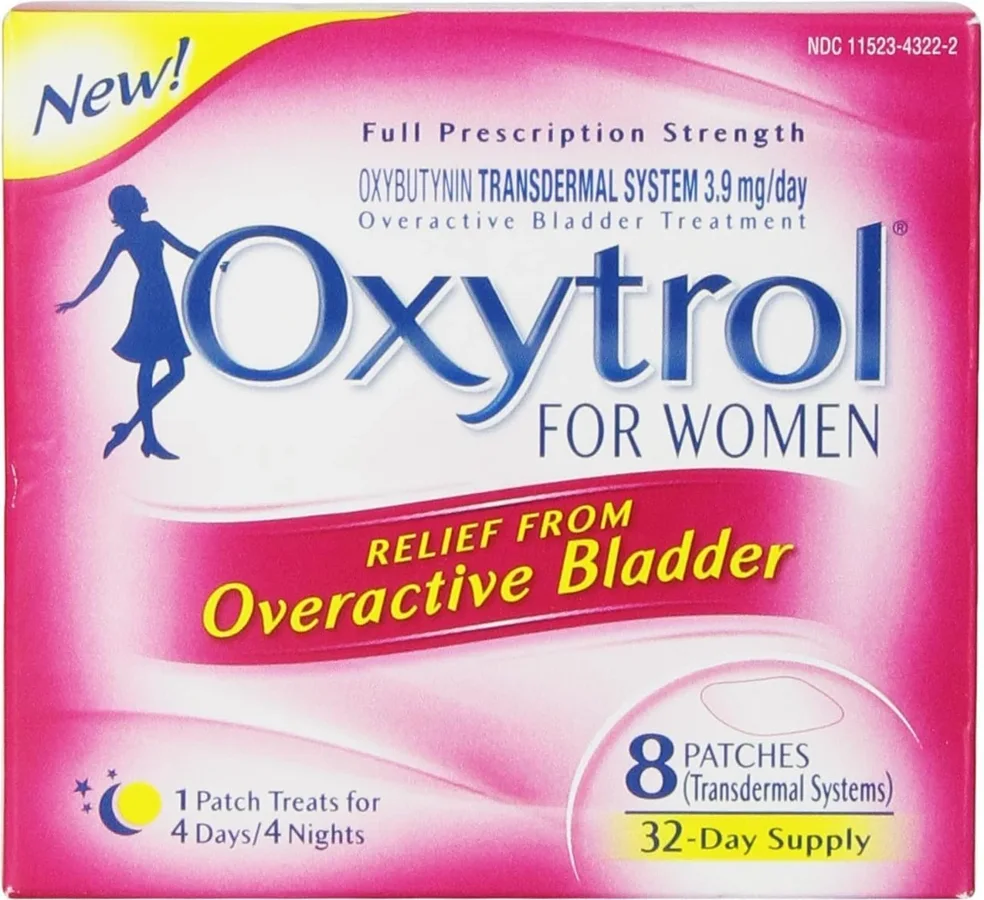
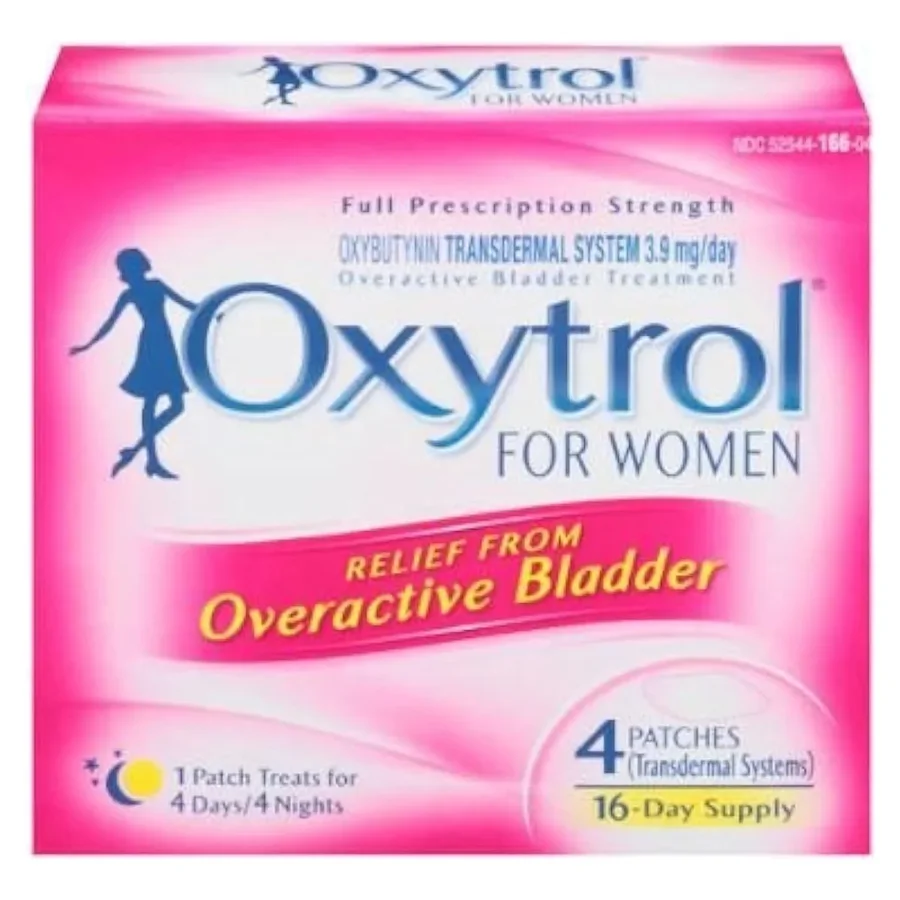
A four-patch box and an eight-patch box sit alongside each other in the Oxytrol for Women catalog. They are two ways of buying the same medicine. Each individual patch delivers oxybutynin at the labeled rate of 3.9 milligrams per day. The first decision is whether this medicine fits the symptoms and the person considering it. The second is how many sealed patches it makes sense to buy. Reversing those questions can make a discounted multipack a poor purchase.
We reviewed the US over-the-counter product for adult women, verified the two packages against the National Library of Medicine's DailyMed record, and read dated buyer reports about wearing and removing the patch. Our recommendation is to consider the smaller box first when the product is appropriate and the wearer has no previous experience with its adhesive. The larger one is convenient for someone who already knows it suits them. Pain or burning with urination, blood in urine, unexplained lower back or side pain, or cloudy or foul-smelling urine are reasons in the label to avoid starting the patch and see a doctor promptly. Oxytrol for Women Drug Facts
What exactly is in each box?
| Shelf label | Patches in one box | Labeled supply | Product identifier |
|---|---|---|---|
| Oxytrol for Women 4-Patch Box | Four individually sealed patches | 16 days | NDC 0023-9637-04 |
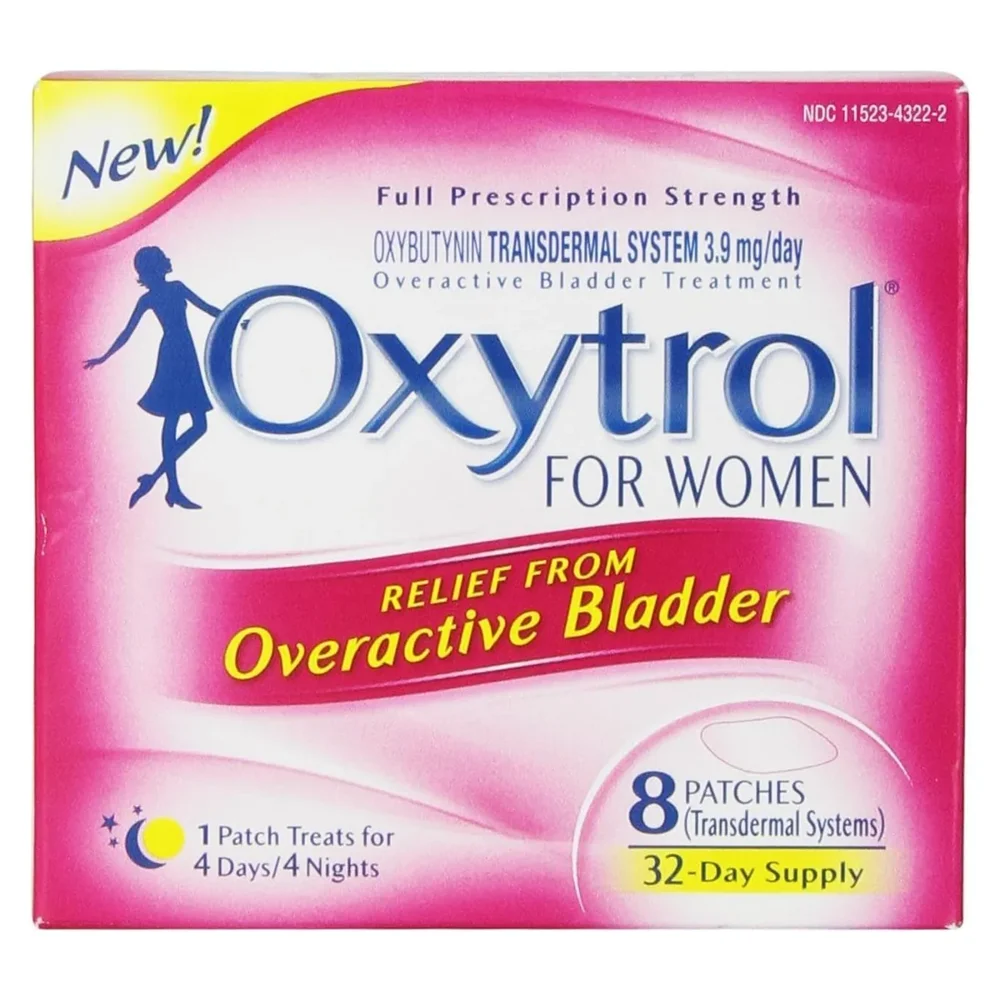
| Oxytrol for Women 8-Patch Box | Eight individually sealed patches | 32 days | NDC 0023-9637-08 |
“Four days” is the duration specified for one patch. “Four patches” counts the items in a carton. “Four milligrams” is neither figure. The daily delivery rate appears with mg/day on the label. These distinctions may seem obvious until a shopper sees several sellers displaying a picture of an eight-patch carton next to an order quantity of two boxes. Write down patches per carton, cartons per order and total price before comparing listings. A quantity of two could mean a total of sixteen patches in this example. Eight-patch listing · Four-patch listing
A patch worn on the skin is still a medicine. The adhesive, backing and sealed pouch make it look more like an everyday dressing than a bottle of tablets. The delivery system is the reason the directions specify an intact patch, one at a time, and a defined interval. No selection in this catalog changes that interval or the delivery rate. A retail offer containing more patches changes the quantity delivered to the home, not the amount of medicine intended to be worn.
Read the symptom pattern before the price
The product label describes three types of symptom: urinating more often than usual, a sudden strong need to urinate and leaking when that urge cannot be controlled. It specifies that at least two have been present for at least three months as a possible sign of overactive bladder. This language gives the shopper something more specific than the broad phrase “bladder leaks.” It does not establish a diagnosis. Frequency can occur for other reasons, including infection, diabetes and pregnancy.
Consider two shoppers who each say they want something for leaks. One notices a sudden urge while trying to reach the restroom. The other leaks only when coughing, sneezing or laughing. The label specifically excludes that second pattern when it is the only kind of leakage. Buying a larger carton will make no difference to the mismatch. A clinician can investigate the symptom pattern and discuss appropriate options, particularly if the description is mixed, recent, changing or hard to classify. NIDDK on bladder-control problems
A brief written description can make that conversation easier. Someone might note what they were doing when urgency appeared, whether urine leaked and when the change started. Include nighttime events if they are a significant part of the problem. A clinician may ask for a bladder diary as part of evaluation. NIDDK describes how history, examination and sometimes urine tests help distinguish the cause. A diary belongs in that clinical discussion; there is no score in this article that can clear a person to use the patch. NIDDK on diagnosis
Sudden symptoms deserve attention even if the shopper has successfully used the brand before. A person can have a familiar overactive bladder problem and develop an unrelated condition later. A change accompanied by pain, blood or fever alters the decision. An old positive review, a previously effective pack or a friend with similar symptoms offers no reliable way to distinguish those situations. Take the new pattern and the current medication list to a healthcare professional before using the next box.
Which warnings change the purchase?
The OTC label limits use to women aged 18 or older. It says men should not use this product; a different prescription product or advice given to another person should never be substituted for this package's directions. It also excludes people with glaucoma, a known allergy to oxybutynin, diagnosed urinary retention or diagnosed gastric retention. Pregnancy or breastfeeding prompts a discussion with a health professional before use. The actual Drug Facts panel contains the complete warnings and should travel with the medicine.
Some questions belong with a pharmacist before a purchase, even for an adult woman with the stated symptoms. The label calls out prescription overactive bladder medicine and drugs that can cause drowsiness, dizziness, dry mouth, constipation or blurred vision. It names certain antibiotics and prescription antifungal medicines as additional examples. A list of active ingredients, doses and package photos is often more helpful than saying a medicine is “the usual allergy pill.” A pharmacist can look at the combination the person actually takes.
The delivery route offers no exemption from systemic effects. The label mentions sleepiness, dizziness, confusion and blurred vision, and advises waiting to drive or operate machinery until the individual knows how the patch affects them. Alcohol can increase sleepiness. Someone most concerned about the condition during a long drive should take that warning seriously when deciding whether the first use belongs immediately before the trip. The warning comes from the product's labeling, not a reviewer's theory about absorption. Current Drug Facts and warnings
What a four-day change means in practice
The instructions describe application to clean, dry, smooth skin on the abdomen, hips or buttocks, beneath clothing and protected from sunlight. Avoid irritated, injured, oily or lotion-covered skin. Rotate the site when replacing a patch. The product is individually pouched, and the label directs the user to apply it after opening. Leave spare patches sealed. Opening all the pouches while arranging the week's medicines would discard a protection the packaging is designed to provide.
A four-day interval moves through the days of the week. For example, a patch applied on Monday would ordinarily reach its next labeled change on Friday; four days after Friday is Tuesday. Someone remembering only “Mondays and Fridays” would shorten one interval every week. Write the actual date of the next change on a calendar or in a reminder. Starting a fresh box carries no special reset rule. There is still only one patch to wear at a time, and the directions say to remove the old one when changing.
Larger cartons are sometimes promoted as a month's supply. Thirty-two days is the more useful description for the eight-patch carton. Calendar months vary in length. A 32-day supply also assumes every pouch remains intact and every patch remains available for the scheduled wear. Keep the medicine leaflet when flattening or recycling outer cartons; having a loose pile of pouches and a remembered instruction makes an unexpected adhesion problem harder to resolve. The current leaflet has priority over a schedule remembered from an older prescription patch.
An important phrase in the Drug Facts is “do not cut the patch into smaller pieces.” Someone might think that cutting a patch would allow a gentler introduction or stretch the supply. The product provides no such adjustable use. A partial patch is not one of the two formats reviewed here. If the labeled use does not suit someone, the appropriate next step is a conversation with the pharmacist or clinician, rather than altering the product or adding a second patch. DailyMed directions and box photo
Adhesion, skin and the part of the review stars miss
Adhesion is a genuine product feature and a potentially important safety issue. A patch needs to maintain contact in the intended manner. At the same time, being difficult to remove is no sign of better treatment. A shopper who sees “stays on in the shower” in one review and “came loose” in another is reading two reports about different people and packs. Neither establishes that a manufacturing change occurred or that the user should improvise another fastening method.
If the patch comes off and cannot be pressed back in place, the label directs the user to a new patch. The person should follow the leaflet and seek advice if the timing of the next change is unclear. The instructions for a different medicine delivered through a patch may differ. Added tape, extra adhesive, cutting, or wearing an extra patch are not fixes to derive from online customer comments. An uncertain schedule is a good question for a pharmacist with the actual carton in hand.
Redness and itching can occur at the application site. The Drug Facts calls for stopping use and asking a doctor if severe redness, itchiness, blistering or an allergic reaction occurs. It also tells the user to stop and ask a doctor if they cannot empty their bladder, the symptoms worsen, new symptoms develop or the condition does not improve after two weeks. Those instructions are particularly relevant before buying several months of patches based on one successful afternoon or a promotional bundle. Product safety labeling
What four buyers reported
The source shop has separate collections for four- and eight-patch cartons. It identifies the following contributors as verified purchasers and gives dates. The names and dates in this table come from the source shop. Amazon separately links individual accounts of comfort and adhesion from its two-carton listing. The accounts below are paraphrased and limited to the versions named. Their mix is informative about individual experiences, even though a retail review cannot diagnose a reaction or establish how commonly any effect occurs. Source-shop buyer reports
| Contributor | Carton and date | Observation |
|---|---|---|
| Hopeful | Eight patches, August 16, 2022 | Reported fewer urgent trips and said the patch stayed attached while showering. |
| Renee Wagner | Eight patches, May 16, 2024 | Described a favorable initial impression that became less convincing after about a month. |
| K. Trout | Eight patches, June 15, 2024 | Reported better control alongside a substantial rash at the application sites. |
| Cody | Four patches, May 13, 2024 | Found adhesion strong, including in the shower, and removal difficult. |
The third account deserves more emphasis than its star count. A buyer can report a benefit and a skin problem in the same paragraph. Taking only the first observation for a sales page would leave out exactly the detail another user might need. The fourth account shows the other side of a package attribute often called desirable. For Cody, strong adhesion introduced a removal problem. A single ranking of “adhesive strength” would collapse that tradeoff.
The shop displayed 4.0 out of five from 894 ratings for the larger box and 4.0 from 553 for the smaller box on November 14, 2026. These are independent listing snapshots, not randomized groups receiving different treatments. A difference in reviews would not reveal a difference in active strength. Adding the two counts could also obscure overlap between buyers, variants and review sources. Neither source-shop rating reports how many cartons changed hands. Amazon’s November 14, 2026 page for two eight-patch cartons also supplied no exact sales total.
Walmart separates its product photos from a customer-photo gallery on the four-patch listing. The gallery contains four uploads. Individual photographers and their purchase status are not identified in the gallery view, so the photographs cannot be matched reliably to the named experiences above. Walmart’s four-patch customer gallery
How it compares with other approaches
| Option | What it does | What the comparison cannot establish |
|---|---|---|
| Oxytrol for Women | OTC oxybutynin delivered through the skin for its labeled population and symptoms | Personal suitability without checking warnings and other medicines |
| Gemtesa | Prescription oral vibegron for indicated overactive bladder patients | That a reader should switch, combine medicines or start either product |
| Clinician-directed bladder training | A behavioral approach that can include timed bathroom visits | The cause of new symptoms or the plan appropriate for an individual |
| Absorbent underwear or pads | Helps manage leakage during daily activities | A treatment effect on the underlying cause of urgency |
Gemtesa is a relevant named comparator because it is also used for overactive bladder, while its active ingredient, route and prescribing status differ. It is a prescription medicine. A patient whose current medicine is not working well can bring that experience to the prescribing clinician. Comparing the two product labels online supplies no basis for adding the patch to a prescription, judging relative efficacy in a particular person or stopping one medicine to try the other. Gemtesa prescribing information
Bladder training addresses another part of the decision. NIDDK describes how a clinician may use a bladder diary to suggest a regular bathroom schedule and other approaches. For someone who wishes to minimize medication or who has a complicated medication list, discussing behavioral options may be particularly valuable. Absorbent products can also serve a practical role during evaluation. They protect clothing or bedding without making the same claim as a medicine. A reader can reasonably consider management of leakage and evaluation of its cause at the same time. NIDDK treatment overview
Budget, storage and disposal
Start a price comparison with a single box in each column. A four-patch carton represents sixteen labeled days and an eight-patch carton represents thirty-two. If one listing sells two boxes, double the appropriate count before dividing the total price by the number of patches. For example, the source shop displayed a two-box eight-patch configuration at $54.70 when reviewed. That particular offer would contain sixteen patches and a nominal 64 days, or approximately 85 cents per labeled day before any checkout changes. The price is a dated example, not a promise about today's offer.
Now ask whether that specific offer makes sense for the wearer. An established user can compare total delivered cost, expiration dates and the amount they can reasonably store as directed. A first-time user faces a different calculation. The price of a large order counts all the unused patches if the adhesive proves unsuitable or the label directs them to stop. A lower unit cost does not reduce the amount paid upfront. A small box can be good value precisely because there are fewer units at stake.
Keep unused patches in their individual sealed pouches at the storage conditions shown on the carton. DailyMed specifies 68 to 77 degrees Fahrenheit and protection from moisture and humidity. A bathroom cabinet near a steamy shower or a car in summer may be an unsuitable place simply because it is convenient. A used patch still needs deliberate disposal. The label says to fold it adhesive sides together and discard it where another person, child or pet cannot wear or swallow it. These details matter even when a user has decided to stop the medicine. Storage and disposal instructions
Make the next pharmacy conversation easier
If the product is being purchased by a partner or a family member, passing on the carton is only part of the handoff. Keep the full package leaflet where the wearer can read it. Someone shopping on another person's behalf may know their preferred store and shipping address without knowing the other medicines they take or whether they have been diagnosed with glaucoma. Those are reasonable matters for a private conversation between the wearer and a healthcare professional. A buyer need not guess or collect a detailed medical history in order to help locate the appropriate product information.
Consider a concrete example. An adult woman has a standing prescription she calls her bladder pill and asks a relative to find a patch for an upcoming trip. The relative can identify the exact OTC product and send a clear photograph of the Drug Facts, but the name of the prescription is needed before a pharmacist can review the combination. Ordering first because the smaller box is on sale would resolve only the easiest part of the question. With the list of medicines and the name of the planned patch, the pharmacist can address the decision that actually matters.
If the conclusion is that a medicated patch does not suit this situation, the shopping trip can still serve a useful purpose. The wearer can ask about temporary measures for managing leaks and how to arrange assessment of the symptoms. A clean distinction between those goals makes it far less likely that someone will mistake the convenience of an absorbent product for the action of a medicine.
Our verdict
We recommend comparing Oxytrol for Women with a pharmacist when its labeled symptom pattern applies and beginning the packaging decision with the smallest practical purchase. For an established user who has had the suitability and tolerability questions answered, the eight-patch carton offers fewer reorders. We do not recommend choosing it for stress leakage alone, passing it to another household member, or using it to delay evaluation of new symptoms or warning signs.
The most helpful thing to bring to the counter is a short account of the symptoms, how long they have been present and the other medicines the person uses. The second most helpful is a photograph of the precise carton they intend to buy. Those two items identify both halves of this decision: the person who might wear the patch and the product that will actually go home with them.
An archived eBay item listing for the eight-patch carton showed three sales. The listing gave no reporting period. That count belongs to one seller’s listing and cannot establish the product’s monthly sales on Amazon.