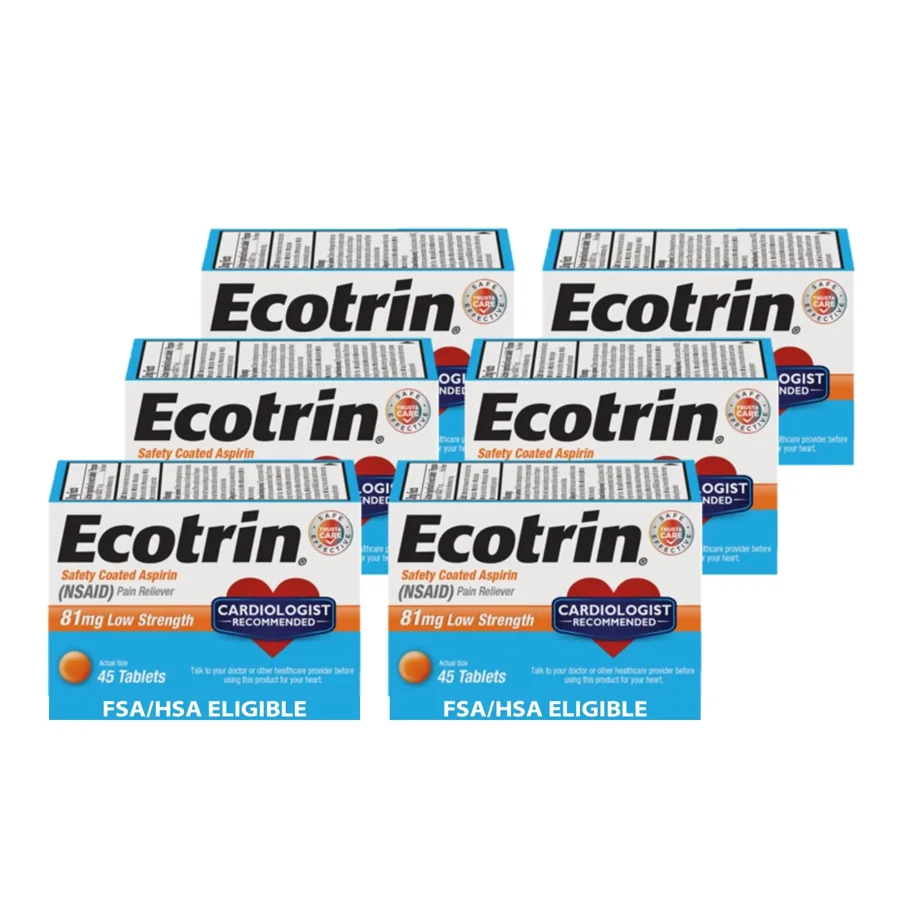
An Ecotrin shopping page can offer two packs of 600 tablets. One contains four bottles of 150 low-strength tablets. The other contains two bottles of 300 regular-strength tablets. Both add up to 600. One delivers 81 mg of aspirin per tablet and the other 325 mg. If you are ordering for a family member, you could match the count exactly and still bring home the wrong medicine.
Our recommendation is to shop for Ecotrin by the exact strength and tablet form already identified on your label or by your healthcare professional, then choose a reasonable bottle count. We would pass on a large multipack if the only reason to buy it is a lower price per tablet. In the US catalog we found seventeen packages but just two strengths, all sold as enteric-coated aspirin. A second or third bottle confers a quantity discount only when the actual price and usable quantity support that calculation.
Which number belongs to the tablet?
The small strength number is a quantity of drug, expressed in milligrams. The large count is how many tablets the purchase contains. These numbers are printed near each other and have completely different meanings. An 81 mg tablet still contains 81 mg of aspirin whether it comes out of a 45-count bottle or the 365-count bottle. A 325 mg tablet in a two-pack does not have twice the strength of the same tablet in a single bottle. These sound like obvious distinctions until several numbers appear in the same product title on a small phone screen.
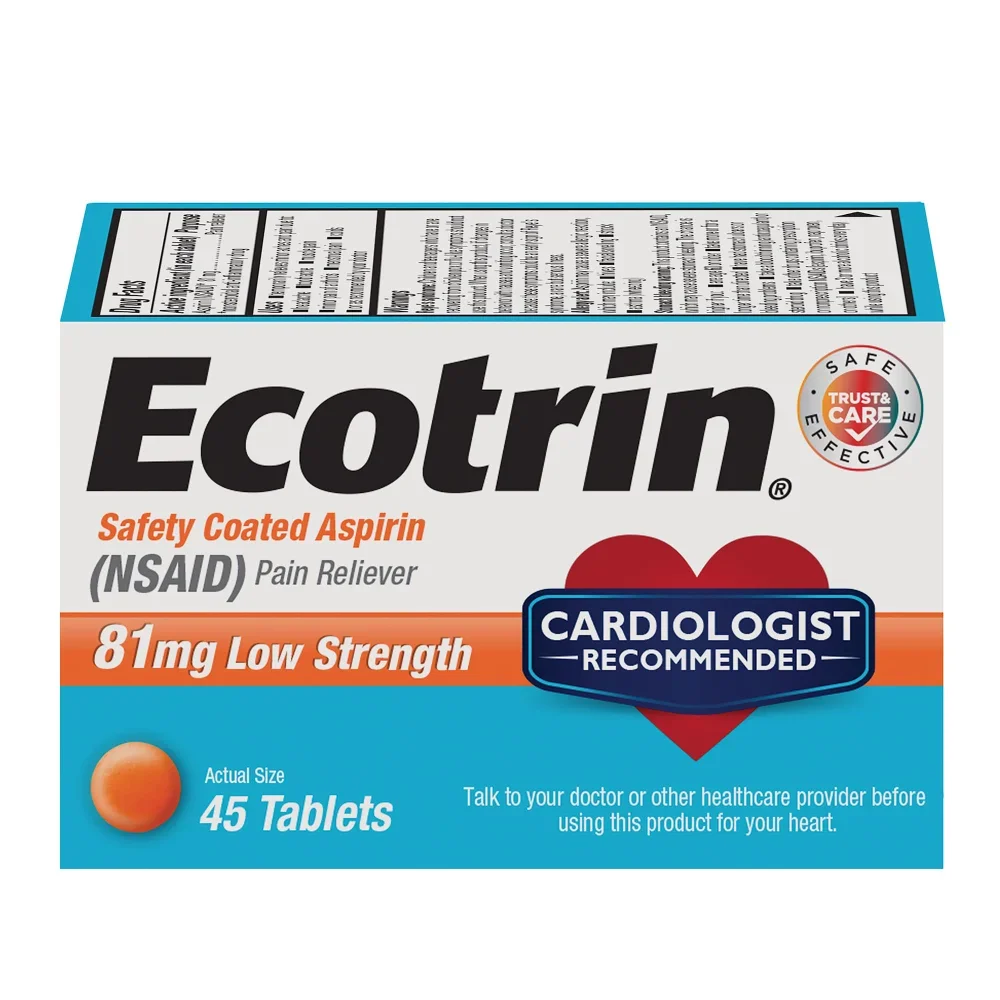
The form is the third part of the identity. Ecotrin makes enteric-coated tablets in both strengths. The coating is designed to delay release until the tablet has passed through the stomach. This distinguishes it from an uncoated or chewable product, even if the quantity of aspirin per tablet matches. A shopper asked to purchase a particular form has to match that part of the description as carefully as the milligrams. A generic search for “low dose aspirin” can return significantly different tablets. Ecotrin product range
| Shelf detail | Low Strength | Regular Strength |
|---|---|---|
| Active ingredient in each tablet | Aspirin 81 mg | Aspirin 325 mg |
| Form | Enteric-coated tablet | Enteric-coated tablet |
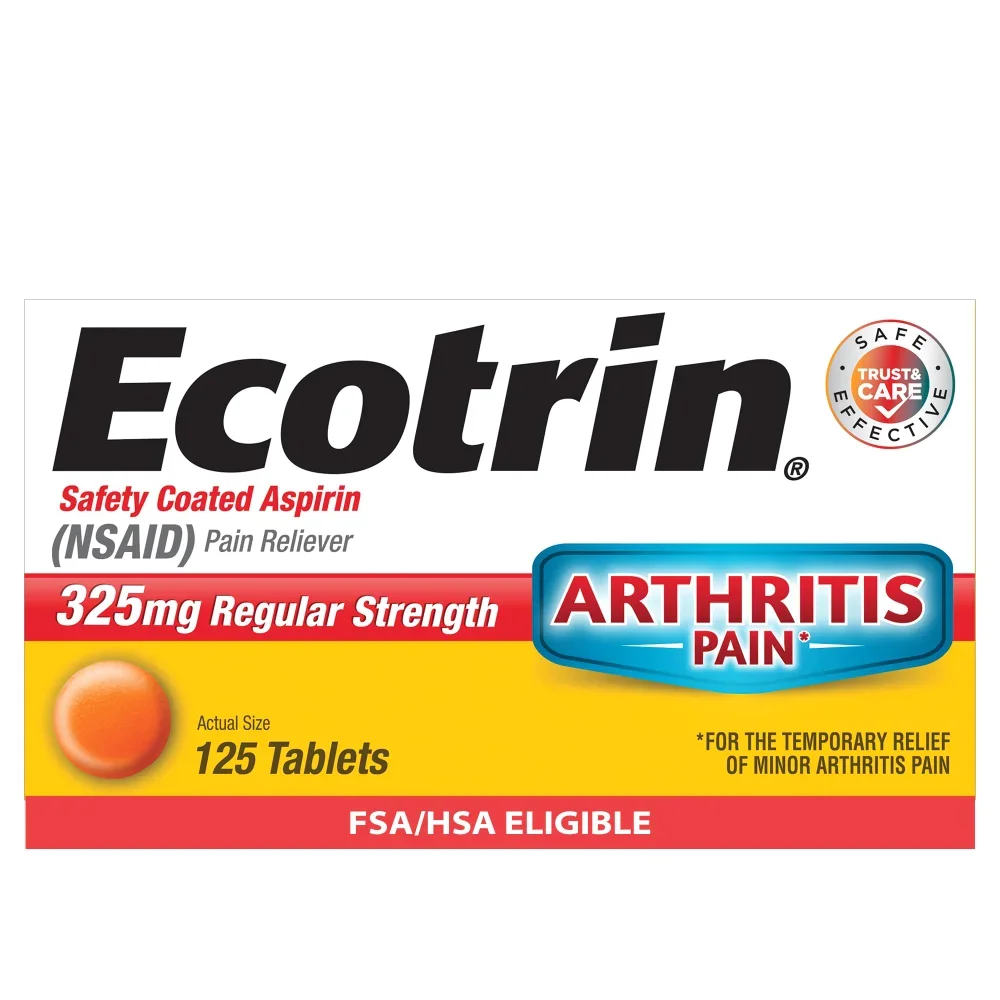
| Main carton color in the source photographs | Blue | Yellow |
| Individual bottle counts in this catalog | 45, 150 or 365 | 125 or 300 |
| Available purchase configurations | Eleven | Six |
The carton colors are a useful visual shortcut for finding the right shelf. The words and figures remain the way to verify the choice. A photographer can alter a shade by changing the lighting. An online seller can put a generic family photograph next to an option selector. A manufacturer can change its packaging. The Drug Facts panel and the strength printed on the actual container are more dependable references than the color you remember seeing last time.
What the coating changes
The coating gives the tablet a particular release design. Ecotrin's materials describe the tablet passing through the stomach before dissolving further along the digestive tract. The description helps explain why the appearance and handling of this tablet differ from a chewable aspirin. A pharmacist can help check the intended form if swallowing a tablet whole is difficult. Damaging a delayed-release coating while trying to make a tablet easier to take alters the very feature that identifies this product.
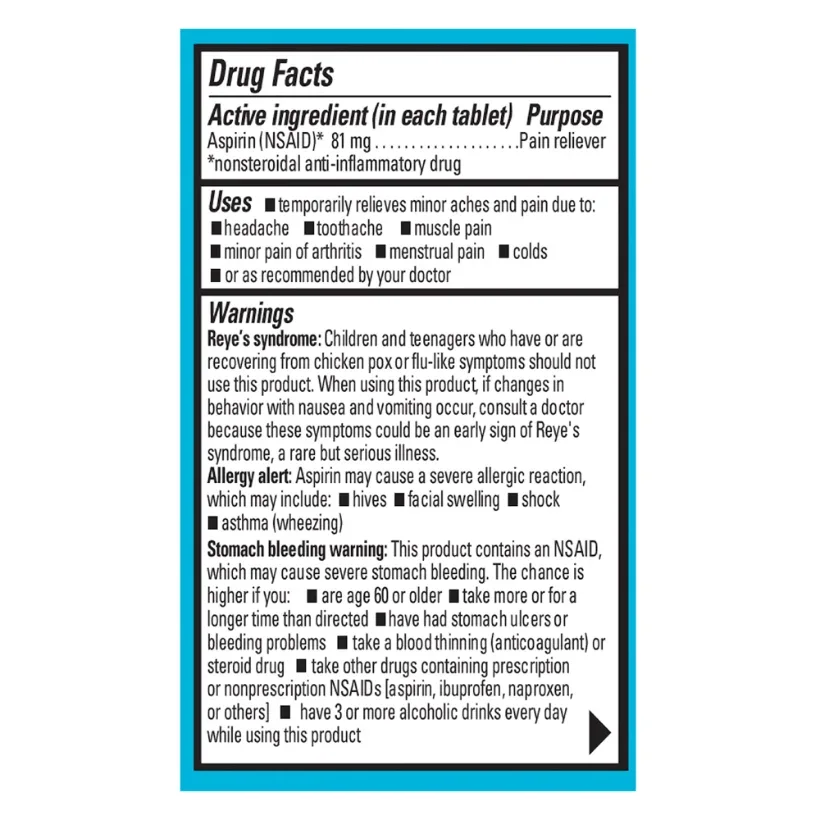
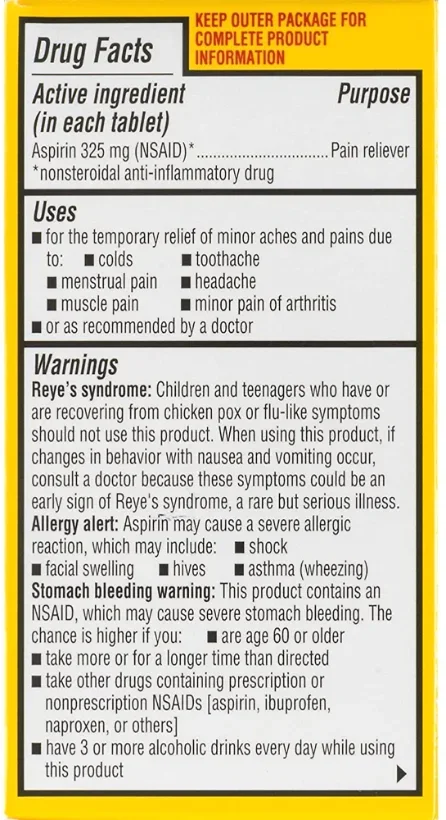
The word “safety” is part of the branding on the carton. It does not remove aspirin's bleeding risk. The 325 mg Drug Facts panel carries the warning “This product contains an NSAID, which may cause severe stomach bleeding.” The low-strength label also carries a stomach-bleeding warning. Those are practical reasons to read the back of the box even if the front looks familiar. A thinner coating, thicker coating or glossy surface is not a basis for deciding that an individual person can safely take aspirin. Regular-strength Drug Facts · Low-strength Drug Facts
There are two decisions that are easily confused in the OTC aisle. One concerns the product that matches instructions already given. The other concerns whether regular aspirin use is appropriate at all. The first can often be checked by comparing the ingredient, strength and release form. The second depends on the person's medical history, medicines and reason for taking it. FDA advises discussing regular aspirin use to reduce heart attack or stroke risk with a healthcare professional first. If a clinician has already prescribed or directed such use, discuss any change with that clinician. FDA guidance on daily aspirin
A bottle, an outer carton and a bundle
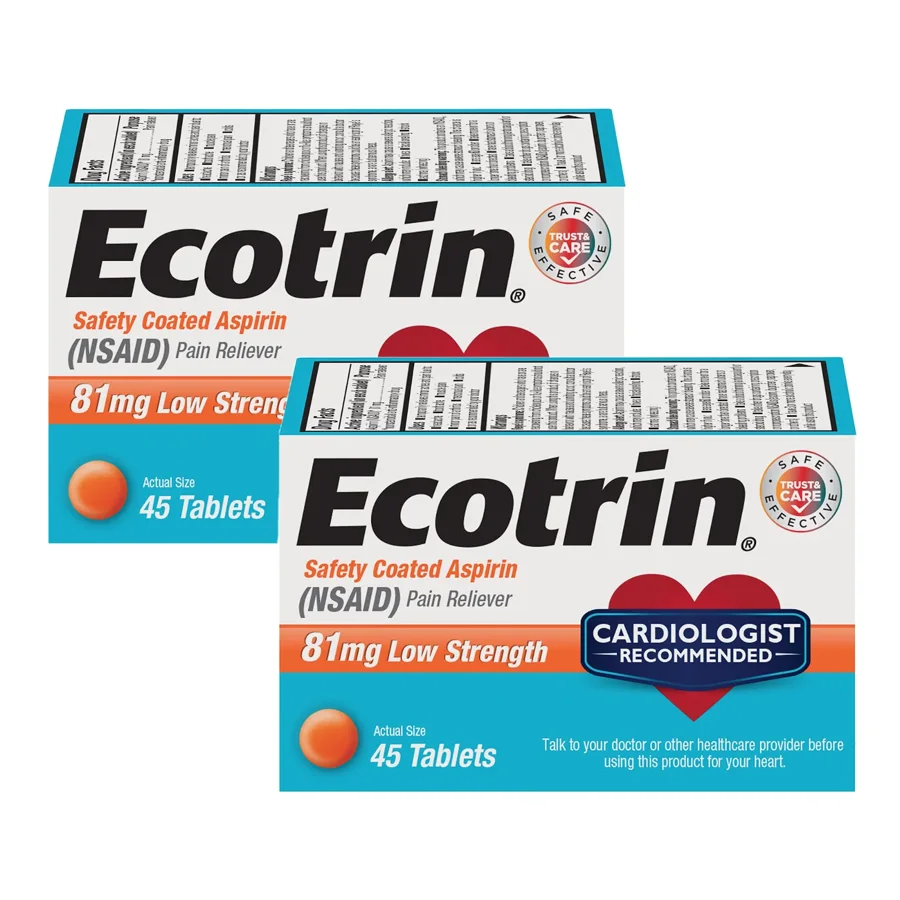
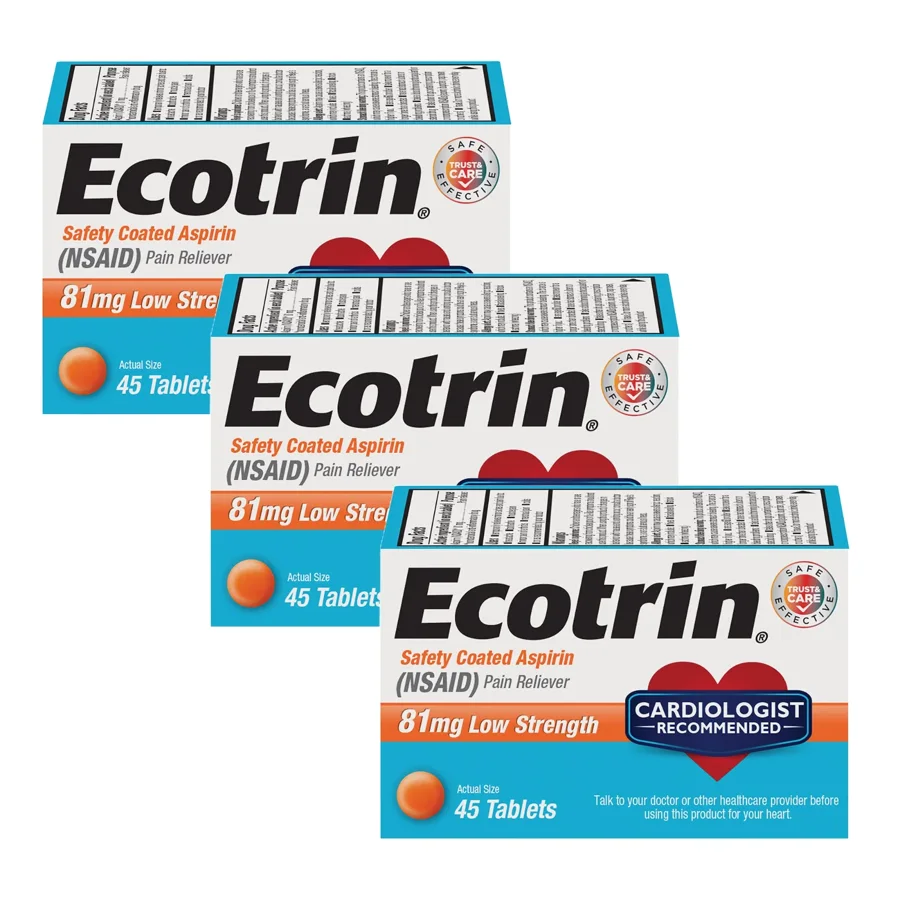
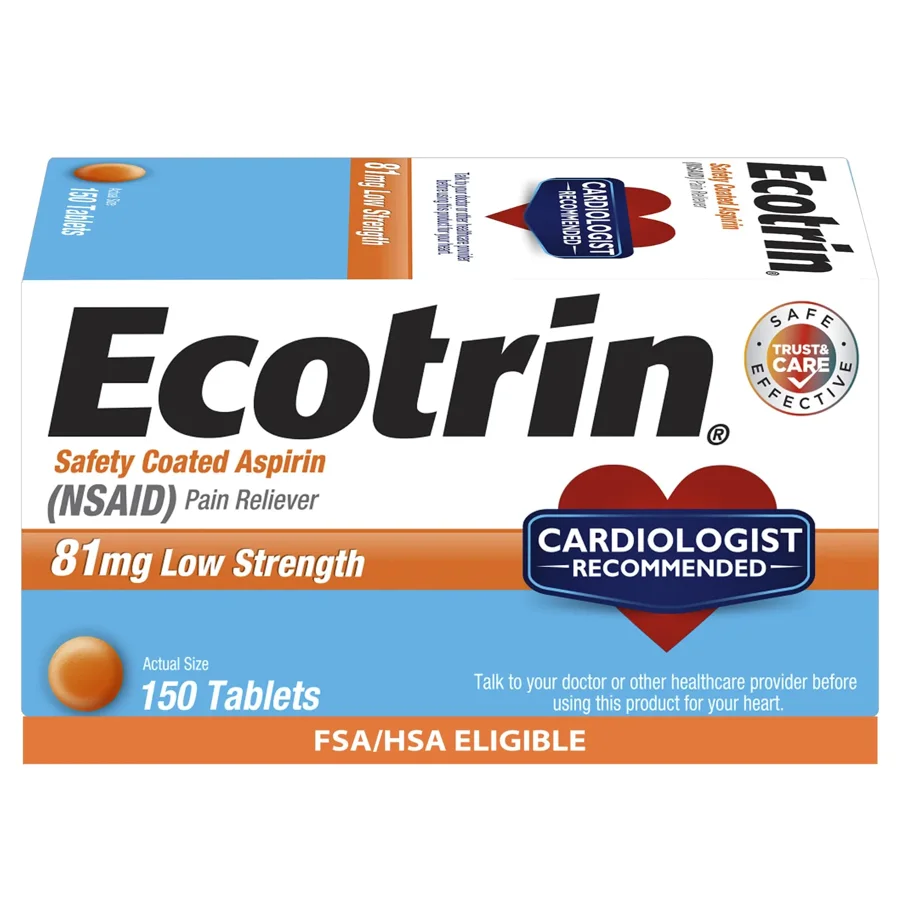
Consider the low-strength line first. The 45-count bottle comes alone, in a pair, in a three-pack and in a six-pack. The 150-count bottle comes alone or grouped in packs of three, four or six. The 365-count bottle appears alone or in packs of two or twelve. Those are eleven retail choices. They represent three bottle sizes for the same strength and form. Even a change from a cardboard outer box to a wrapped grouping of boxes can produce a striking new product thumbnail while the contents of each individual bottle stay familiar.
The regular-strength line is shorter. The 125-count bottle appears alone and in bundles of three, four and eight. The 300-count bottle appears alone and in a pair. That produces the six regular-strength options. There is a good reason to translate a multipack into its total before comparing prices. A buyer could otherwise mistake “300 tablets, pack of two” for 300 total tablets or assume “125 tablets, pack of three” is a 125-tablet order distributed across small bottles. A retailer may abbreviate either title in a search result. Verify the actual offer after selecting the pack.
| Strength | Count per bottle | Number of bottles shown | Total tablets in those configurations |
|---|---|---|---|
| 81 mg | 45 | 1, 2, 3, 6 | 45, 90, 135, 270 |
| 81 mg | 150 | 1, 3, 4, 6 | 150, 450, 600, 900 |
| 81 mg | 365 | 1, 2, 12 | 365, 730, 4,380 |
| 325 mg | 125 | 1, 3, 4, 8 | 125, 375, 500, 1,000 |
| 325 mg | 300 | 1, 2 | 300, 600 |
A 4,380-tablet listing deserves to be read twice. That is the arithmetic for twelve bottles of 365, not the number of tablets a particular person should purchase or take. It represents a substantial amount of medicine to store and eventually use or dispose of. An order that makes sense to a buyer in a very different setting may have no practical value to a household. Even before looking at price, ask whether every unopened bottle has somewhere suitable to go and whether its contents will still be needed before the printed expiry date.
Compare the finished price, then consider waste
Price per tablet is the price of the complete selected package divided by the number of tablets in that package. Consider a deliberately simple example using imaginary prices. A $9 pack with 90 tablets costs ten cents per tablet. A $15 pack with 150 tablets also costs ten cents per tablet. In this example the second pack costs more up front and gives no per-tablet discount. A highlighted “value” badge would not change the arithmetic. The numbers are illustrations, and the relevant price for an actual purchase is the current price for the selected option.
A comparison becomes more realistic once you include likely waste. Suppose the 150-count pack in that example costs $15, but sixty tablets will expire or no longer be needed before the bottle is empty. The ninety tablets actually used then cost about seventeen cents each. That is more than the ten-cent sticker comparison suggests. The point is not to predict when someone's needs might change. It is to avoid treating a discount as certain while the ability to use the entire quantity is uncertain.
A small pack has its own costs. Reordering more often takes time and can mean repeated delivery charges. A person collecting a known, ongoing prescription list for someone else may find that a familiar bottle size simplifies the shopping task. The sensible comparison is between the cost, storage space and repeat shopping for two packages of the correct medicine. A seemingly generous discount on the wrong strength or a form the person has difficulty taking is irrelevant.
How it compares with Bayer tablets
Bayer's US range is a useful comparison because it includes both comparable enteric-coated tablets and products with the same strengths in different forms. Aspirin Regimen Bayer Low Dose is an 81 mg safety-coated tablet. Bayer also sells an 81 mg chewable. Aspirin Regimen Bayer Regular Dose provides 325 mg with an enteric coating, while Genuine Bayer Aspirin is a separate 325 mg product. The similarity in the two strength numbers makes this a good test of how well a shopper is reading past the front headline. Bayer US product range
| If you are comparing | Relevant Ecotrin listing | Relevant Bayer listing | What still needs checking |
|---|---|---|---|
| 81 mg enteric-coated aspirin | Low Strength | Aspirin Regimen Low Dose | Ingredients, actual tablet and package count |
| 325 mg enteric-coated aspirin | Regular Strength | Aspirin Regimen Regular Dose | Instructions and warnings on the selected carton |
| 81 mg chewable aspirin | No chewable in the Ecotrin range compared | Bayer Chewable Aspirin | The chewable is a different tablet form |
| Original 325 mg aspirin | Ecotrin's version here is enteric-coated | Genuine Bayer Aspirin | Determine which form was actually requested |
Consumers who need a specific product because of a reaction to an inactive ingredient have another reason to read the exact label. An active ingredient and a strength establish important parts of the match, but they do not identify every material in a tablet or its coating. A listing can advertise a familiar brand and still represent a different formulation from the one in the bathroom cabinet. A pharmacist can help compare the two sets of inactive ingredients if that is part of the shopping decision.
A family member picking up a refill can make that conversation easier by bringing the old carton, a clear photograph of the full Drug Facts panel, or the actual current medication instructions. The close-up photograph is especially useful when a front panel has been discarded and only a few tablets remain in a container. A verbal request for “the small orange ones” leaves the staff guessing about strength, release and even identity. Small differences between otherwise similar tablets matter more than the convenience of recognizing a color.
What the customer photographs and reviews can establish
The Ecotrin source catalog provides product photographs of the outer cartons, individual bottles and grouped packs. They are useful for checking how many physical containers an order should contain. The source describes them as its own product photography. We could not trace those images to an individual buyer review, so they cannot substantiate claims about what a particular customer received. If you have a packaging question about a current offer, a clear front and back view of the selected configuration is more informative than a photo of an unrelated pack in use.
The review excerpts present buyers' observations about handling and packaging. Canova1954 gave the 45-count low-strength pack five stars and described the small tablet as straightforward for their husband to swallow. Tina K gave the 365-count low-strength bottle five stars and liked being able to distinguish its orange tablets from other small pills. Charley, who reviewed a 150-count low-strength bottle, gave it four stars and singled out the color for making a dropped tablet easier to notice. All three observations concern their own experience. None makes appearance a reliable way for a second person to identify a loose medicine.
Pastor B gave the two-bottle 365-count pack five stars, mentioned the care taken with packaging, and raised the question of checking the expiry date. Downsized Retirees gave a three-pack of 125 regular-strength tablets five stars and explained that the product had been difficult to find locally. Their reasons for valuing larger packs were different. One person was looking closely at what arrived in a large order. The other was trying to avoid repeated searches for a familiar product. Ecotrin catalog and buyer accounts
The source displayed 4.6 out of five from 76 family reviews for its individual 45-count low-strength listing. Several other listings displayed precisely the same 4.8 from 4,240 family reviews. That repetition is a warning against adding the numbers together to produce a grand total. It is possible for a retailer to show feedback for a family of related offers across several selections. The star average is an account of customer experience on those listings. It cannot establish effectiveness for an individual or tell us exactly how many packs were sold. The 325 mg, 125-tablet Amazon listing also links individual shoppers’ comments about the coating, expiration date, and value. It did not display a verified purchase-volume badge in the November 14, 2026 record used for this comparison.
A photograph of the older bottle can help when someone else is collecting the order. Photograph the strength, the description of the coating and the count on separate lines. Leave the price out of that note: a change in price need not change the requested medicine, while a change in strength calls for checking the order before it is opened.
Checks that matter when the order arrives
Read the strength on the immediate container before putting it away. A seller might deliver a different pack count, or an individual bottle may have shifted inside an outer shipping box. Compare the number of bottles with your receipt, then read each label if the order contains mixed products. Keep the original immediate packaging with the medicine. The bottle preserves the identification, storage information and expiry details that are easy to lose when all the tablets go straight into an unlabeled jar.
A large order can complicate a routine check. Six identical-looking bottles may have individual labels and expiry dates. Examine the ones you receive instead of assuming the entire group shares the date on the first bottle. Check the tamper-evident feature against the language on that bottle. If the seal does not match the description or appears to have been opened, set the product aside and contact the seller or pharmacist. A good outer shipping box alone cannot tell you about the condition of the seal inside it.
Storage is another reason a large pack may have limited value. Both US labels describe controlled room-temperature storage around 77 degrees Fahrenheit, with specified excursions. Find a suitable place that protects the medicine and keeps it out of children's reach. The back seat of a car, a sunny window or a steamy spot near a shower should not be assumed to meet those conditions. The exact package you have is the reference for how to keep it. If you are concerned about prolonged exposure to heat or other conditions, ask a pharmacist about that bottle.
Our verdict on the range
We recommend Ecotrin as a clearly identifiable option for a shopper who has confirmed that enteric-coated aspirin is the requested form and knows the exact strength. There are enough pack sizes to compare a short shopping list without committing to a multipack. For someone helping another adult restock, the most valuable feature of the catalog is its separation into 81 mg and 325 mg groups. Stay within the correct group while comparing the bottle count, then read the strength and form again when the order arrives.
We do not recommend choosing daily aspirin on the basis of an average star rating, a color-coded carton, a discounted yearly supply or the experiences of other buyers. Aspirin can cause serious bleeding, and the benefit of regular use depends on an individual's circumstances. If the desired strength, release form or reason for taking aspirin is uncertain, the appropriate next step is a discussion with a pharmacist or healthcare professional. Only after that question is settled do the seventeen packages become a straightforward shopping comparison.